
Coil or Cut-to-Size Sheets? What Actually Saves Board Makers Money
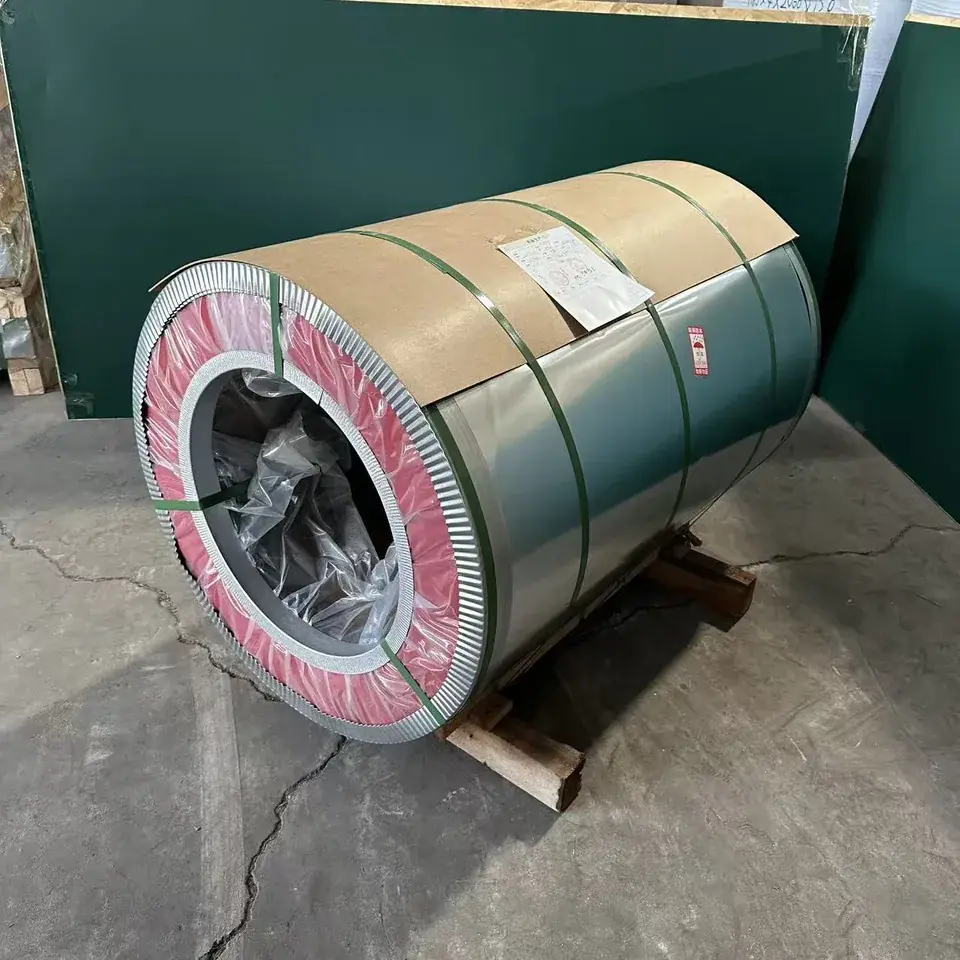
Every board maker faces the same buying decision: take the writing surface as a full coil, or
have the factory cut it to your board sizes and ship it palletised. The coil looks cheaper on
the quotation — and often costs more by the time a finished board leaves your line. Here is how to
run the numbers honestly.
What you are really buying
A whiteboard surface is pre-painted galvanised steel — PPGI — supplied either as coil or as cut
sheets. The material is identical; what changes is where the cutting happens and who pays for the
scrap.
The case for full coil
Coil makes sense when three things are true:
- You operate your own slitting and shearing line.
- Your board programme is standardised, so offcuts get consumed quickly.
- Volume is high enough that the price difference per square metre compounds.
Coil also gives you flexibility: one 2-ton coil at 1250 mm width can feed several board sizes,
and you control the nesting. For a high-volume producer with their own line, coil is the efficient
format, and there is no reason to pay someone else to cut for you.
The case for cut-to-size
Cut-to-size wins when you count the full cost picture:
- No slitting investment — no line, no blades, no maintenance, no floor space.
- Zero cutting waste — the factory nests your sizes against the 600–1250 mm width range.
- Faster changeovers — new board size? New cutting list, not a new coil order.
- Pallet-ready delivery — sheets arrive interleaved, corner-protected and strapped, going
almost straight to framing.
For small and mid-size board makers — which is most of the market — cut-to-size usually wins once
labour, scrap and handling are counted. The unit price on the sheet is higher; the cost per
finished board is lower.
The hybrid most buyers land on
Many of our customers run both: coils for their high-runner board sizes, cut-to-size for custom
and low-volume orders. That works only if one factory supplies both formats — mixing two suppliers
means two colour batches, two quality standards and two sets of documentation for the same visible
surface.
Questions to ask before you choose
1. What are the coil width limits? (Ours: 600–1250 mm — wide enough to nest most board sizes.)
2. What is the minimum order? (Ours: 2 tons, the weight of a single coil — whether coil or
cut sheets.)
3. Are cut sheets paper-interleaved and pallet-packed for direct line feeding?
4. Will the cut sheets match the coil batch for colour and gloss? (Same line, same batch log.)
The one-line version
Compare cost per finished board, not per square metre. If you do not run a slitting line,
cut-to-size almost always wins; if you do, coil is yours — and one factory can supply both.
Unsure which format fits your line? Send us your board size list and we will quote both ways: